Two dials, not twenty fields
Light and mood are the only things you set. Everything a prompt box would ask you to type is already folded into those two tracks, so the second roll takes seconds.
0118+ · fictional characters · roll 04
A session comes back as a sheet of frames instead of one lucky shot. Mark the keepers, push the light and mood dials, and the next roll lands closer to what you had in mind.
Fictional AI characters only. Nobody here is a real person.

Noor · 24
SelectedSame take, four frames on


Fictional AI characters only. Nobody here is a real person.
02On the sheet
03What it does
All six exist to shorten the gap between the frame you got and the frame you meant.
Light and mood are the only things you set. Everything a prompt box would ask you to type is already folded into those two tracks, so the second roll takes seconds.
Each request comes back as a selected frame plus a strip of alternates. You are choosing between takes, which is a different job from hoping one render lands.
Keep a frame and the next sheet leans that way; cross one out and that look stops coming back. The marks are the instruction, so you never rewrite a prompt.
Ask her what she is wearing and the answer arrives as a picture in the thread, on the same screen as the words. No separate gallery tab to go and refresh.
The room, the jacket, the joke about the tripod. Context survives between sessions, so a follow-up frame looks like a continuation instead of a fresh stranger.
No public grid, no follower count, no photo of you anywhere. Sheets live in your session and can be wiped in one action whenever you want them gone.
04Who you shoot with
Each one shoots differently — the light, the pace and the amount of direction they expect all change.

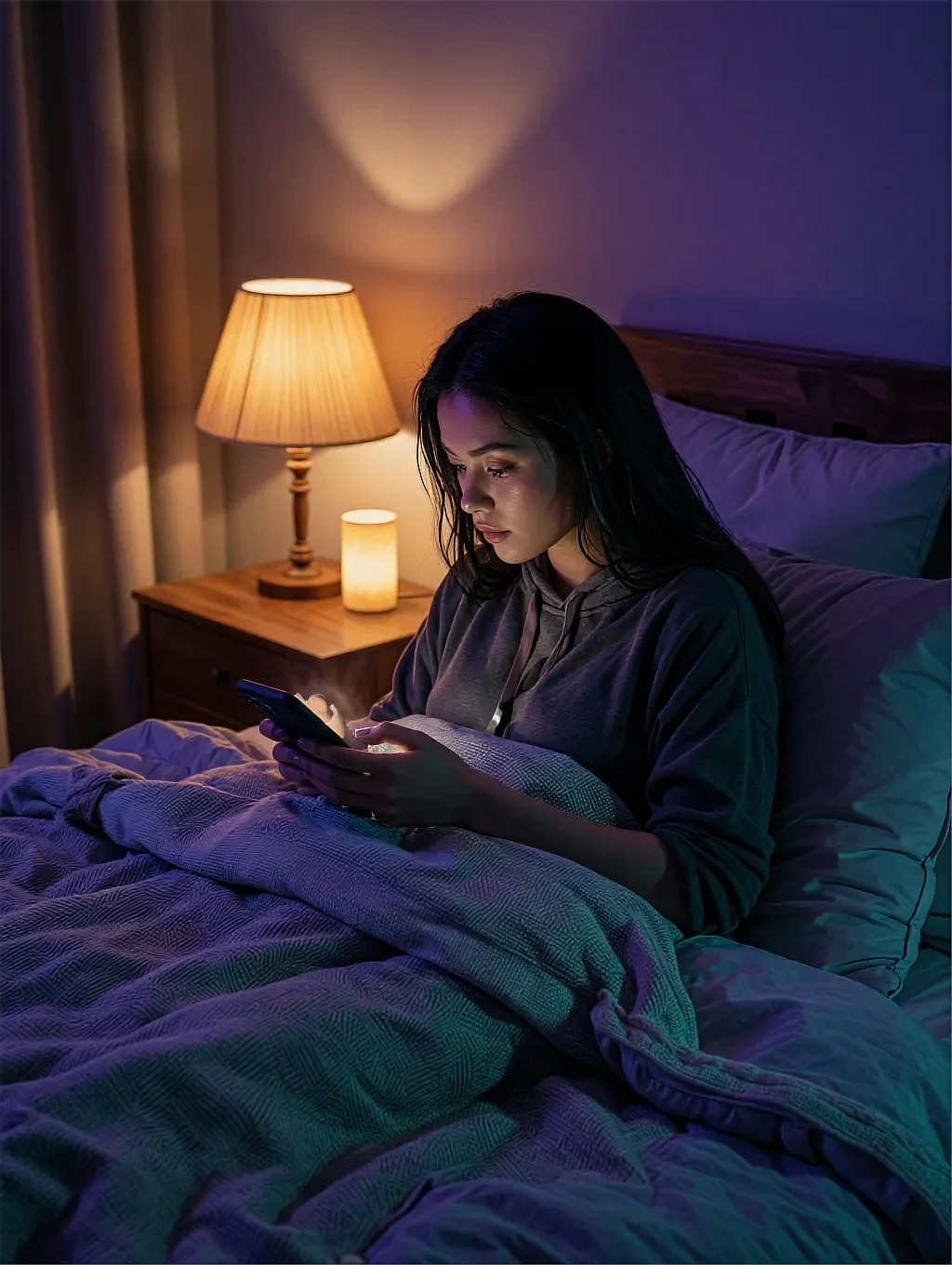
Shoots after midnight because the city does half the lighting for her. Sends the rejects too.
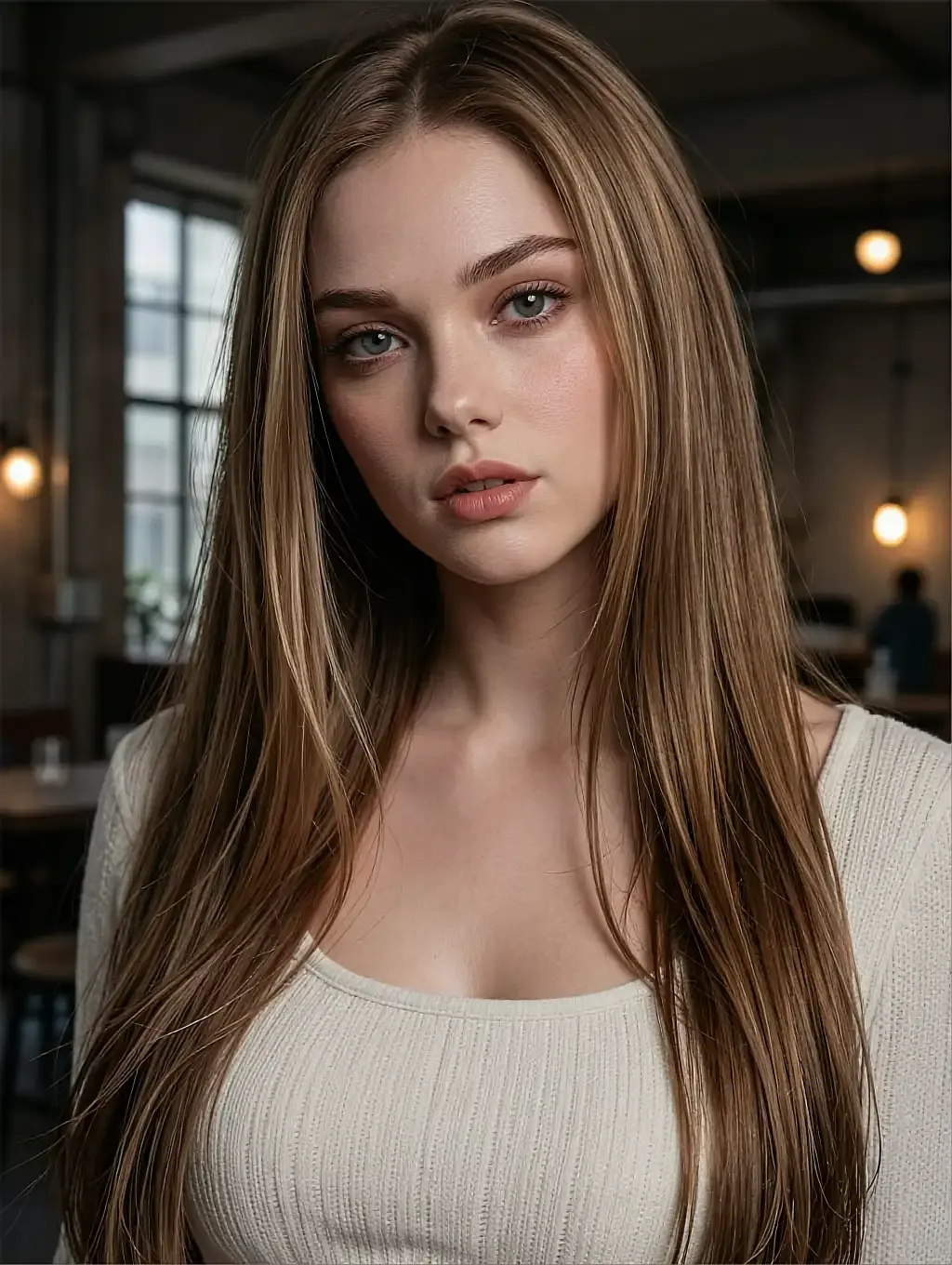
Window light, one chair, no props. Thinks a photo should look like a Tuesday, not a campaign.

Shoots with whatever light the room has, and has an opinion about all of it. Will tell you which frame is the one.

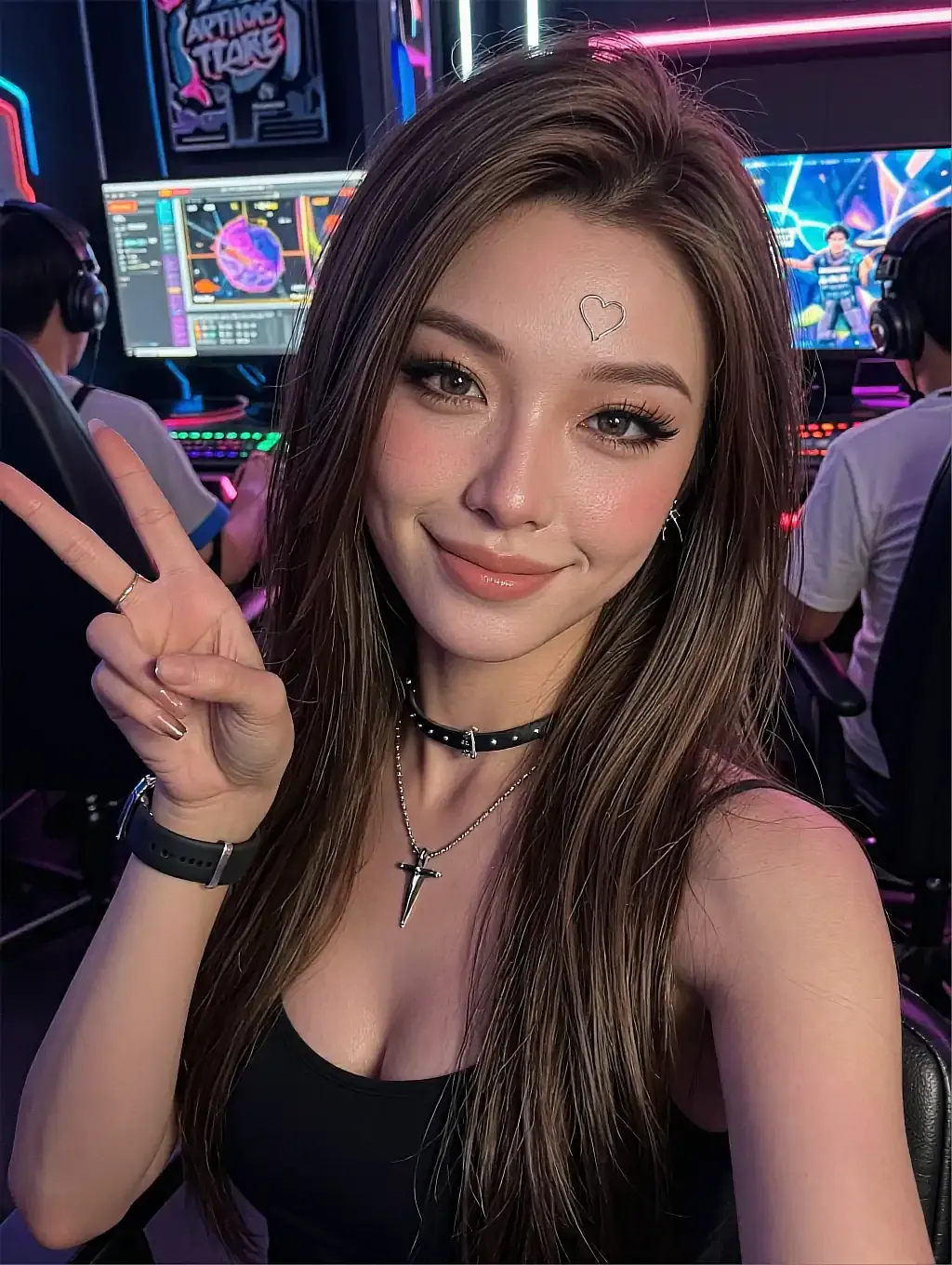
Balcony, last light, phone at arm's length. Half her sheet is her laughing at her own face.

Lit by whatever screen she is holding. Answers a question with a picture more often than a sentence.

Street corner at dusk, one step back, nothing arranged. Treats a sheet as a conversation about what to try next.
05How it works
One tap on the age notice and the roster loads. Nothing asks for a card before you have seen a single frame.
Pick a character, say what the shot should be, and the sheet comes back as one selected frame with a strip of alternates under it.
Keep what works, cross out what does not, move light and mood a notch. The next roll answers those marks rather than a rewritten prompt.
06In depth
Choosing is easier than describing, and a contact sheet turns an impossible description problem into a simple choice between takes.
Most tools ask you to say exactly what you want before they show you anything, which is the one thing nobody can do accurately. AI girlfriend photos work better the other way round: shoot a sheet, look at four takes of roughly the right idea, and point at the one that is closest. Photographers have worked this way since film, and for the same reason — the eye is faster at recognising than the mouth is at specifying.
The cost of that approach is patience. A sheet takes a few seconds longer than a single frame, and the first one is usually only approximately right. What you get back is a correction loop that actually converges: keep, cross, nudge two dials, shoot again. Three rolls in, the sheet looks like what you meant, and you never wrote a paragraph of prompt to get there.
The other half of it is continuity. A frame is worth more when it belongs to a session that remembers the previous one — same room, same jacket, same running joke — because a set of photos that agree with each other reads as a person, and a pile of unrelated renders reads as a slot machine.
07Our verdict
Six criteria, weighted the way a contact sheet asks to be judged: whether the same woman comes back roll after roll, how far a dial actually moves the next frame, and how many alternates are worth marking. This is our recommendation and why we make it, not a lab result — the criteria are printed, so cross one out and the number changes.
Nothing else on this page matters if the woman on sheet two is a stranger, so this criterion carries the most weight of the six. A character holding her bone structure, hair and bearing from one roll to the next is the thing this tool is built around.
A control is only worth having if moving it changes the next roll — light that is actually lit differently, not the same exposure with a filter dropped over it. Direct control over the frame is what separates this from a slot machine that returns pretty strangers.
A contact sheet earns its name when the takes differ by angle, distance and where she is looking, rather than one frame nudged six times. Expect to mark a few per sheet and pass over the near-duplicates — that is normal for the format rather than a fault.
A few seconds to the first frames, with the rest of the strip filling in while you are still reading the top row. No queue, no email-when-ready, no place in line — which is what makes iterating on a look practical at all.
Faces and skin hold up at the size these are actually viewed, which is the size that matters for most uses. This suits portraits and close work better than busy frames: hands, jewellery and anything with lettering on it are still where the seams show, and you will bin frames for that reason.
Pictures arrive inside the conversation rather than in a public gallery, and nothing syncs to a camera roll or a cloud album on its own — the right default for this category. Deleting a sheet is available but sits further from the sheet itself than it should.
This is our recommendation, not a measurement. The number is the plain average of the six criteria above, rounded to one decimal, and the criteria are the things we think decide whether an image tool of this kind is worth your evening. They are printed so you can cross one out and work out your own total.
08Keep reading
Generating, selfies, photos inside the chat, and what the explicit sheet contains.
09Quick answers
10Start now
Pick a character, say what the shot should be, and the sheet comes back in seconds with the alternates already laid out. No card, no install, and nothing published anywhere.

The first roll costs nothing — no card, no install.
Open the sheet free